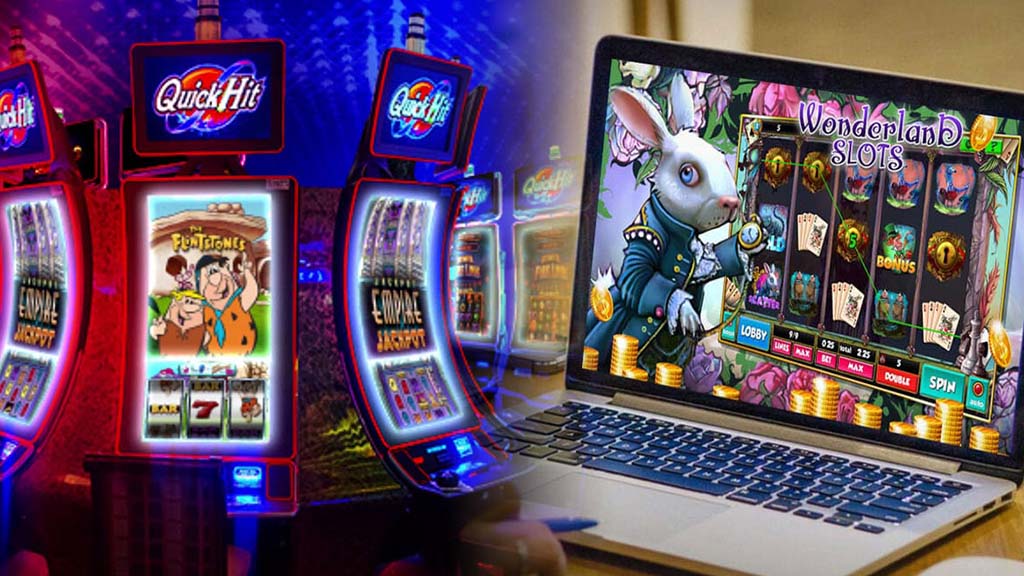
AW8 Casino gaming has always reflected the technology, culture, and entertainment habits of its time. From elegant card rooms and mechanical slot machines to modern digital platforms accessed through smartphones, the casino experience has transformed in ways that few could have imagined only a few decades ago. What once depended on physical locations, face to face interaction, and fixed schedules has now become an always connected form of global entertainment. In 2026, online casino gaming is no longer considered an alternative to traditional play. For millions of players around the world, it has become the primary way to experience strategy, excitement, community, and immersive digital entertainment.
The journey from physical gaming floors to cloud powered AW8 casino platforms tells a fascinating story of innovation. Every stage of this evolution has introduced new possibilities, expanded accessibility, and changed how players connect with their favorite games. From the earliest digital poker tables and simple slot simulations to live dealer studios, mobile applications, and artificial intelligence driven personalization, online casino gaming continues to reinvent itself. Understanding this evolution helps explain not only where the industry stands today, but also where it may be heading in the years ahead.
From Traditional Casino Floors to the First Digital Platforms
Long before online casinos existed, gaming was deeply connected to physical spaces. Casinos were destinations filled with lights, music, conversation, and the energy of people gathered around tables and machines. Whether players visited luxury resorts, local gaming halls, or private poker rooms, the experience was built around atmosphere, social interaction, and the excitement of being physically present.
Slot machines became icons of casino culture because of their simplicity and visual appeal. Card games such as blackjack, baccarat, and poker built communities of strategic players who enjoyed competition and skill based decision making. Roulette created suspense through every spin of the wheel, while specialty games added variety to the overall experience.
As personal computers became more common in homes during the late digital revolution, developers began experimenting with virtual versions of these classic games. Early online casino platforms were basic by modern standards. Graphics were simple, internet connections were slow, and game libraries were limited.
Even so, the idea of accessing casino entertainment from home created immediate interest. Players no longer needed to travel or follow venue schedules. They could explore digital games whenever they wanted.
The first online platforms focused primarily on simple card games, basic slot machines, and straightforward interfaces. These early systems relied on software generated outcomes and digital graphics rather than live interaction.
Despite technical limitations, these platforms proved something important. Players were willing to embrace convenience, flexibility, and remote access if the core excitement of casino gaming remained intact.
This first digital phase laid the foundation for everything that would follow.
Software Innovation Changed the Gaming Experience
As internet speeds improved and software development became more advanced, online casino platforms entered a new stage of growth. Developers began investing heavily in graphics, sound design, user interfaces, and mathematical systems that could recreate the excitement of traditional gaming in digital form.
One of the most important innovations during this period was the development of advanced random number generation systems. These algorithms allowed digital games to produce independent outcomes quickly and consistently, creating fairness and reliability.
Slot games experienced some of the biggest changes. What began as simple reel simulations evolved into full digital adventures with animated symbols, bonus rounds, themed storylines, and interactive mechanics.
Players could now explore fantasy worlds, historical settings, treasure hunts, futuristic environments, and cinematic experiences while enjoying familiar gameplay.
Table games also became more sophisticated. Blackjack, roulette, baccarat, and poker received improved visuals, customizable interfaces, and practice modes that made them more accessible to new players.
Online poker communities grew rapidly during this period. Competitive tournaments, private rooms, chat systems, and ranking systems helped create some of the first major digital gaming communities.
Payment technology improved as well. Secure transactions, encrypted connections, and digital verification made online gaming feel safer and more practical.
Platform design evolved beyond functionality. Personalized dashboards, account management tools, loyalty systems, and promotional features began shaping the overall player experience.
This period proved that online casinos could offer more than convenience. They could deliver polished, engaging, and emotionally satisfying entertainment.
Mobile Technology Made Casino Gaming Truly Global
The arrival of smartphones changed online casino gaming more dramatically than almost any previous innovation. Mobile technology removed the final limitations of location and transformed casino entertainment into something players could carry with them every day.
Early mobile casino websites were simple adaptations of desktop platforms, but developers quickly recognized that mobile users expected something different. Touch controls, vertical layouts, responsive design, and fast loading performance became essential.
Modern mobile casinos are now designed specifically for smaller screens. Games feel natural to navigate, interfaces are optimized for quick access, and personalized features make discovery easier.
Slots adapted especially well to mobile environments. Swipe controls, smooth animations, and quick sessions fit perfectly into modern lifestyles.
Table games also benefited from mobile optimization. Players could join blackjack tables, spin roulette wheels, and manage strategies from almost anywhere.
Live dealer technology became increasingly mobile friendly as streaming quality improved and mobile networks became faster.
Payment systems evolved alongside mobile devices. Digital wallets, biometric verification, and app based banking created faster and safer financial experiences.
Push notifications, event reminders, and personalized recommendations helped platforms stay connected with users throughout the day.
Mobile gaming made online casinos truly global by allowing players to connect instantly regardless of location.
Live Dealer Gaming Brought Human Energy Back
While software based gaming created convenience and variety, some players still missed the human element of traditional casinos. Live dealer technology solved this challenge and became one of the most important milestones in online gaming evolution.
Professional studios equipped with real gaming tables, multiple cameras, and trained hosts began broadcasting live sessions to players worldwide.
For the first time, players could watch real cards being dealt, roulette wheels spinning, and dealers interacting in real time while still enjoying the convenience of online access.
This created authenticity that software alone could not fully replicate.
Live chat features added conversation, humor, and emotional connection to digital sessions.
Players could ask questions, celebrate moments, and experience the natural pacing of real casino games.
Streaming quality improved dramatically with low latency broadcasting, high definition video, and stable global infrastructure.
Live game shows expanded the concept even further by blending traditional casino mechanics with entertainment formats inspired by television.
The human element helped online casinos feel warmer, more personal, and more socially engaging.
Live gaming continues to be one of the strongest drivers of player loyalty in the modern era.
Artificial Intelligence and Emerging Technologies Shape the Future
Today, online casino platforms are entering another stage of evolution powered by intelligent systems, immersive technologies, and global connectivity.
Artificial intelligence is already influencing how players discover games, receive recommendations, and interact with support systems.
Personalized dashboards adapt to user behavior, favorite categories, and session patterns.
Fraud detection systems use intelligent monitoring to improve account security.
Customer support is becoming faster through automated assistance and predictive problem solving.
Virtual reality may soon allow players to walk through immersive digital casino environments where they can interact naturally with games and other participants.
Augmented reality could blend gaming elements with real world spaces through smart devices.
Blockchain technology is beginning to influence secure payments, digital verification, and transparent transaction systems.
Cloud infrastructure continues to improve performance across devices while reducing hardware limitations.
Social features, streaming integration, and community driven events are creating stronger emotional connections.
The future of online casino gaming will likely be defined by personalization, immersion, security, and global interaction.
Conclusion
The evolution of casino gaming in the online era is a story of constant innovation, adaptation, and human curiosity. What began as simple digital recreations of traditional games has grown into one of the most advanced forms of global entertainment. Through software innovation, mobile technology, live dealer experiences, and intelligent systems, online casinos have redefined how players connect with games and with each other.
As technology continues to move forward, the online casino industry will keep evolving in exciting and unexpected ways. Whether through immersive virtual environments, smarter personalization, or new forms of social gaming, the next chapter promises even greater opportunities for entertainment. One thing remains clear. The spirit of casino gaming has not disappeared in the digital age. It has evolved, expanded, and found new ways to thrive in a connected world.