The Invisible Shield: Mastering Modern Hygiene and Safety Standards
In an increasingly interconnected world, the significance of personal hygiene has transcended basic grooming to become a vital component of public health. Our daily interactions, though routine, serve as potential pathways for pathogens. By adopting a proactive approach to cleanliness, we do more than protect our own wellbeing; we contribute to the collective safety of our communities. Strengthening our “invisible shield” requires a commitment to three fundamental pillars: hand hygiene, respiratory etiquette, and environmental awareness.
The Science of Clean Hands Handwashing remains the single most effective way to prevent the spread of infections. Throughout a typical day, our hands contact hundreds of surfaces—from public transport railings to office equipment—that may harbor harmful microbes. According to the Centers for Disease Control and Prevention (CDC), many diseases are spread by simply touching one’s eyes, nose, or mouth with contaminated hands.
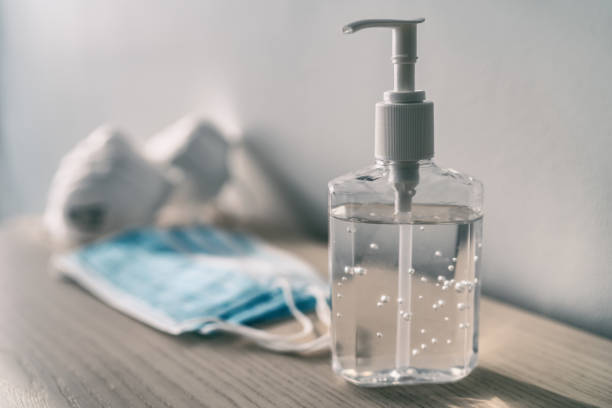
To maximize protection, the “20-second rule” is essential. Lathering with soap creates friction that lifts dirt and microbes https://rebeccasingsonmd.com/ from the skin, while rinsing washes them away. In transit or settings where sinks are inaccessible, the Mayo Clinic recommends using alcohol-based sanitizers containing at least 60% alcohol to effectively neutralize germs on the go.
Respiratory Etiquette and Masking Strategy The air we breathe is a shared resource, making respiratory hygiene a matter of social responsibility. Masks have proven to be an indispensable tool in “source control,” particularly in crowded or poorly ventilated environments. If you are feeling unwell or displaying symptoms like sneezing and coughing, wearing a high-quality mask—such as an N95 or KN95—significantly reduces the distance respiratory droplets can travel.
Beyond masking, the World Health Organization (WHO) emphasizes the importance of covering the mouth with a tissue or the bend of the elbow when coughing. These small actions prevent the aerosolization of viruses, effectively breaking the chain of transmission before it starts.
Sustainable Cleanliness and Environmental Care Personal hygiene extends beyond the body to the environments we inhabit. Maintaining a clean living and working space reduces the “pathogen load” in our immediate vicinity. This involves the routine disinfection of high-touch surfaces, such as smartphones, keyboards, and doorknobs.
Furthermore, personal cleanliness—including regular bathing and laundering clothes—removes allergens and bacteria that accumulate throughout the day. When combined with a balanced diet and adequate sleep, these hygiene practices bolster the immune system, making the body more resilient against potential threats.
Conclusion Hygiene is not a series of isolated tasks but a lifestyle of mindfulness. By staying disciplined with handwashing, respecting shared airspaces through masking, and maintaining a clean environment, we build a safer world for everyone.